Can Tourists Visit Niihau?
The honest answer to whether tourists can visit Niihau, the Forbidden Isle of Hawaii: who owns it, what access is legal, and which licensed boat trips from Kauai actually reach its waters.
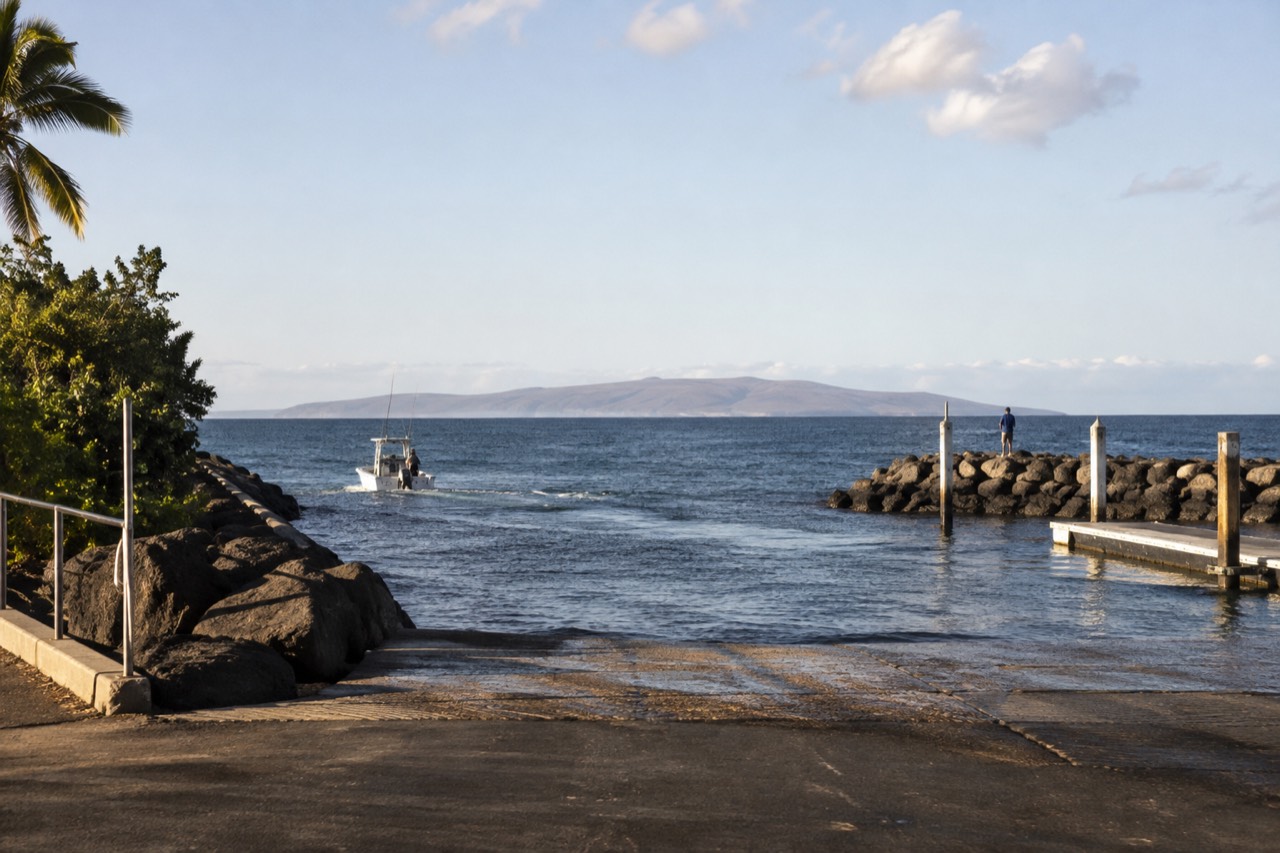
Can Tourists Visit Niihau?
Niihau sits 17.2 statute miles off Kauai's west coast, across the Kaulakahi Channel, and it is the one Hawaiian island a tourist cannot simply book a flight or a ferry to. It has been privately owned for over a century and a half. The 2020 Census counted 84 residents on its 67.5 square miles, and the island's owners do not run a visitor operation: there is no hotel, no rental counter, no beach park with a parking lot. The island itself is, for practical purposes, closed.
The water around it is a different story. Licensed commercial boats run from Kauai's west-side harbours, cross the channel, and snorkel the reefs off Niihau and the nearby crescent of Lehua Crater. That crossing is the only legal way most visitors ever get near Niihau, and it is a genuinely spectacular one: the channel floor drops to 3,570 feet along the measured line, spinner dolphins ride the bow wave, and Lehua is a state-designated seabird sanctuary declared rat-free in 2021. This page answers the question honestly, section by section, including what you can and cannot legally do when you get there.
Can Tourists Visit Niihau?
Not on land, in almost every case, and not on your own. Niihau is privately owned, has no public airport or ferry, and its roughly 84 residents live in a closed community the owners do not open to casual tourism. The legal, realistic way a tourist experiences Niihau is on the water: a licensed boat tour from Kauai that crosses the channel and snorkels offshore.
The word used in most travel writing is "Forbidden Isle," and the label is accurate as a description of land access. The island was bought from King Kamehameha V in the nineteenth century by Elizabeth Sinclair, and it has stayed in private hands ever since, passing down through the Robinson family. Ownership is not a museum piece: the 2020 Census lists the Niihau census county division at 84 residents, and the island operates as a working community where Hawaiian is still the daily language. There is no visitor infrastructure because the owners have deliberately not built any.
What confuses many searchers is that "visit Niihau" has two honest answers depending on what you mean. If you mean stand on the sand and walk inland: no, not through any regular channel. If you mean see the island, swim off its reefs, and circle Lehua Crater: yes, and the boats that do it depart from Port Allen on Kauai, about as far west as you can stand on that island. The crossing itself is a real expedition, over open ocean that is 3,570 feet deep at its deepest measured point, which is why these trips cost more and run longer than a standard Napali Coast tour.
For anyone weighing the water option against the land question, the two Niihau products on this site's roster are the place to start.
The three trips above span the realistic range. The full Niihau snorkel expedition runs 8 hours and includes the Napali Coast on the way home. The shorter full-day version covers 7 hours at a lower starting price. And the raft snorkel trip is the honest alternative for someone who wants small-boat intimacy without committing to a channel crossing at all: it stays on the Napali Coast, which is why it costs from $217 rather than from $339 or $361.31.
Who Owns And Controls The Island?
A single private family, continuously since the nineteenth century. Elizabeth Sinclair bought Niihau from King Kamehameha V, and her descendants, the Robinson family, have owned and managed it through every territorial and state government since. There is no state or federal land on the main island, no public beach access requirement, and no county visitor services: the owners control who comes ashore, full stop.
The purchase is one of the more remarkable stories in Hawaiian history, and it explains the island's modern status. Sinclair, a New Zealand-based rancher, had been offered land on Oahu and Maui first and chose Niihau instead, in part for its suitability for sheep and cattle. The family's ranching operation continues, and the resident community, Native Hawaiian families whose tenure on the island goes back generations, has been insulated from the development pressure that reshaped every other island in the chain.
Control matters legally, too. Hawaii's shoreline access laws, which generally protect public transit along the seaward edge of beaches, run into a practical wall on Niihau: there is no way to get to the shoreline to exercise it. The island has no public harbour, no ferry terminal, and no road connection. The only anchorages are exposed, and the owners do not permit tourist landings. A boat operator who put passengers ashore without permission would be trespassing, which is precisely why the licensed tours snorkel offshore rather than beach anyone.
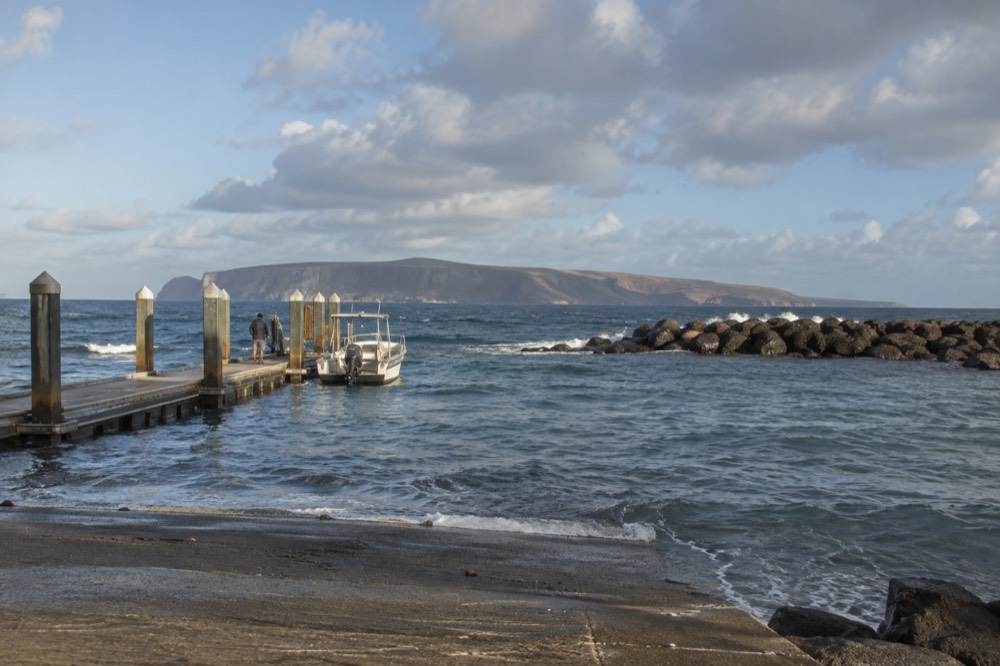
The census record is the cleanest official confirmation of the island's status. The U.S. Census Bureau's Niihau CCD profile lists the 2020 resident population at 84 and treats the island as a single private tract, with no public visitor access implied by its definition. That is a government dataset describing a private island, which is about as unambiguous as the answer gets.
For a traveller, the practical takeaway is this: any offer of a Niihau "landing," a Niihau "beach day," or a Niihau "village tour" should be treated with suspicion unless it comes through the owners' own occasional, limited programmes. The reliable, bookable product is the offshore trip, and the question worth asking any operator is not "can we get Niihau on the itinerary" but "how much time do we actually spend in Niihau and Lehua waters."
What Is Allowed Offshore?
Snorkelling, swimming off the boat, wildlife viewing, and cruising the coastline, all from the water and none of it requiring the owners' permission. Offshore Niihau is ordinary Hawaii ocean: state waters, public passage, and no landing restriction on your boat merely being there. What is restricted is Lehua's shoreline, where state rules protect the seabird sanctuary, and the marine mammals, which carry federal approach distances that apply to every vessel.
The distinction between the island and the water around it is the whole legal architecture of a Niihau trip. The main island's beaches are private in practice because access is physically controlled. The surrounding ocean is not private at all: it is state water, and a licensed commercial vessel may transit, anchor where conditions allow, and put snorkellers in the water. That is exactly what the Kauai-based operators do, and it is why their itineraries say "Niihau snorkel" rather than "Niihau landing."
Lehua Crater, the crescent-shaped islet off Niihau's north tip, has its own layer of rules. It is a state-designated seabird sanctuary managed by the Division of Forestry and Wildlife, with federal ownership by the U.S. Coast Guard, and state rules restrict landing to areas below the high water mark. In practice, tour boats do not land anyone; they snorkel the submerged shelf and the wall where the crater meets the channel, which is the best water on the whole route anyway.
The wildlife rules are federal and worth knowing before you go. Hawaiian monk seals haul out on Niihau and Lehua in significant numbers, and surveys recorded 70 to 73 seals around those islands in 2024, part of a range-wide abundance estimated at 1,564 animals. Boats and swimmers must keep at least 50 feet from a seal on land or in the water, and 150 feet from a mother with a pup. Spinner dolphins carry their own rule: federal law prohibits approaching within 50 yards of them in waters within two nautical miles of the main Hawaiian Islands. Your captain manages all of this; your job is not to chase anything.
Which Boats Are Licensed To Go?
Commercial boats holding state Commercial Use Permits, inspected under federal small-passenger-vessel rules, and commanded by licensed masters. On this roster, two products make the crossing: an 8-hour Niihau snorkel expedition and a 7-hour Niihau full-day tour, both run by Holo Holo Charters from Port Allen. The regulatory backdrop is tight, and since a 2025 court order no new commercial permits are being issued statewide, which caps how many operators can ever offer this trip.
The permit picture deserves a plain explanation, because it is why Niihau trips are scarce relative to Napali Coast tours. Every commercial vessel operating on Hawaii navigable waters needs a Commercial Use Permit from the state, and the December 2024 court order in a Native Hawaiian community's case against DLNR froze the landscape: no new permits are issued, and existing permittees may only maintain or reduce their passenger capacity. A boat operator cannot simply decide to add a Niihau route; the permit system decides who is on the water at all.
On top of the state permit sits the federal inspection regime. Small passenger vessels carrying more than six passengers for hire fall under 46 CFR Subchapter T, which governs construction, equipment, and manning, and each must be under the command of a holder of a valid Merchant Mariner Credential endorsed as Master. When an operator says "USCG certified," this is the actual machinery behind the phrase: a Coast Guard Certificate of Inspection, not a marketing badge.
For the reader comparing options, the roster's two Niihau products tell the story compactly. The Ni'ihau and Na Pali Coast Snorkel Boat Tour runs 8 hours from Port Allen, from $361.31 per person, rated 4.7 from 481 reviews, with breakfast and lunch included. The Niihau and Na Pali Coast Full-Day Boat Tour runs 7 hours, from $339 per person, rated 4.7 from 160 reviews, also with two meals. Both are power catamarans, which matters: the channel crossing is open ocean, and these are the vessels built for it. A deeper comparison of the category lives on the Niihau snorkel tours guide.
What Do Those Trips Actually Do?
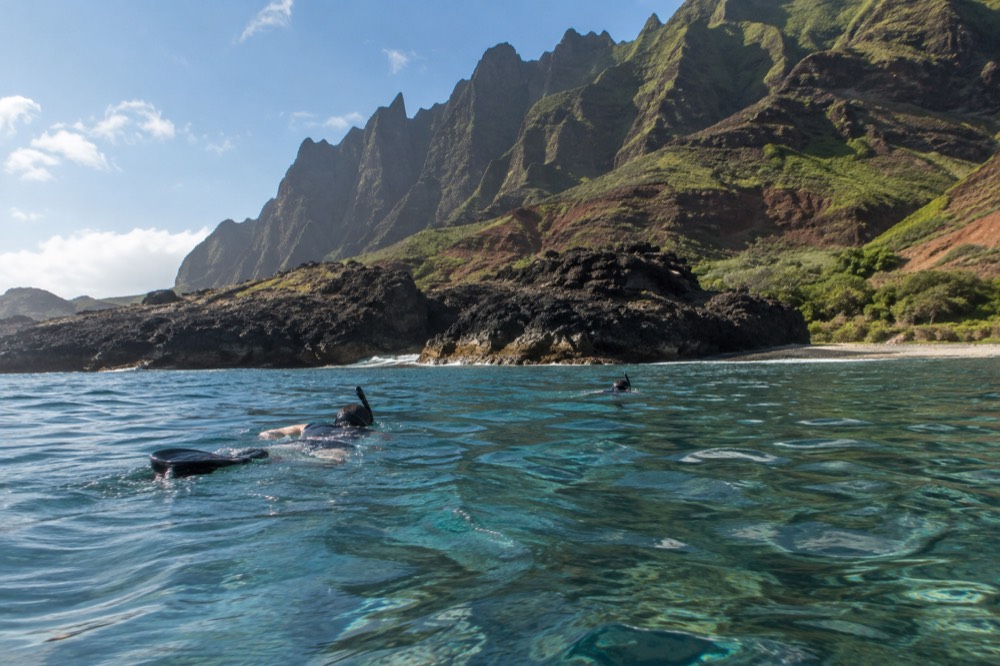
They run a long loop: out across the Kaulakahi Channel, along Niihau's shoreline, into the Lehua Crater snorkel grounds, and home along the Napali Coast. The snorkel stop is the centrepiece, usually 30 to 60 minutes in the water on a reef chosen for the day's conditions. Meals are served aboard, dolphins and seabirds appear on most crossings, and the Napali cliffs close the day on the return leg.
The shape of the day is fixed by geography. Port Allen sits on Kauai's south-west shore, and from there the boat bears north-west across open water toward a low, tan landmass that looks nothing like the green cliffs you left behind. Niihau sits in Kauai's rain shadow, which is why it reads as dry grassland rather than jungle: the same trade winds that soak the Napali valleys have already dropped their water on Kauai's summit. The channel between is real ocean, deep and often lively, and the crossing is where the trip earns its length.
The snorkel itself happens off Lehua or along Niihau's fringing reef, at a spot the captain picks from the day's swell and visibility. This is genuinely elite snorkelling: clear water, reef fish in dense schools, and a fair chance of monk seals hauled out on Lehua's rocks, which you view from a respectful distance. The water is typically in the mid-70s to around 80 degrees Fahrenheit, and operators do not supply wetsuits, so a rash guard is a common choice for the longer swims.
| Trip | Operator | Duration | From (per person) | Rating | Meals |
|---|---|---|---|---|---|
| Ni'ihau and Na Pali Coast Snorkel Boat Tour | Holo Holo Charters | 8 hours | $361.31 | 4.7 from 481 reviews | Breakfast and lunch |
| Niihau and Na Pali Coast Full-Day Boat Tour | Holo Holo Charters | 7 hours | $339 | 4.7 from 160 reviews | Breakfast and lunch |
| Na Pali Raft Snorkel Adventure (no Niihau) | Kauai Sea Tours | 5 hours 30 minutes | $217 | 4.8 from 1656 reviews | Breakfast |
The third row is on the table for honesty. The raft snorkel trip is a superb product, but it does not go to Niihau; it stays on the Napali Coast, which is a different promise. If your heart is set on the Forbidden Isle, only the two Niihau rows deliver it, and the difference between them is an hour on the water and about $22 at the starting price. A fuller treatment of the swim itself is in is Niihau snorkeling worth it.
What Is Lehua Crater?
A crescent-shaped volcanic islet off Niihau's northern tip, a state-designated seabird sanctuary that is the actual snorkel destination on most Niihau trips. Lehua is federal land under the U.S. Coast Guard with state wildlife management, landing is restricted to below the high water mark, and it was declared rat-free in April 2021 after a major eradication effort, which is why its seabird colonies are recovering.
Lehua is what geologists call a tuff cone, the eroded rim of a volcano that shares its origin with Kauai's west-side eruptions, and its crescent shape is the sea's work: the crater's north wall is gone, leaving a curved bay that shelters snorkellers from the prevailing trades. From the water it looks like a collapsed amphitheatre of pale rock, whitened by decades of bird droppings, with waves breaking on the outer rim. The snorkel grounds sit inside and along the flanks, where the shelf drops quickly into channel water.
The sanctuary status is not decorative. Lehua hosts one of the main Hawaiian Islands' significant seabird colonies, and the 2021 rat-free declaration, following a 2017 eradication by the state wildlife division, Island Conservation and partners, was the turning point for its ground-nesting birds. Biosecurity and vegetation restoration continue. For a visitor this means two things: you will see and hear a great many birds, and you will not be setting foot on the island beyond what the rules strictly allow, which in tour practice means nobody lands at all.
The underwater side is the draw. Lehua's reefs hold reef fish in numbers that surprise people who have only snorkelled off Kauai's beaches, and the deep water close to shore brings pelagic visitors: spinner dolphins in pods, occasional manta rays, and in season the whales that winter throughout the islands. Because the snorkel happens in open-ocean conditions, operators treat it as conditions permitting like everything else on this coast, and a trip that cannot safely round the crater will find calmer water along Niihau's leeward shore instead.
What Season Do They Run?
Longer than most people assume, but with a real summer bias. Motor-boat tours on this coast are not bound by the 15 May to 7 September dates that govern kayaks, which many travel articles wrongly quote; the Niihau products on this roster run with free cancellation and their windows are set by each operator and the channel's moods. Summer, roughly April through October, is when the crossing is calmest and the snorkel most reliable.
The season confusion around Kauai's west side is worth clearing up here, because it directly affects planning. The May-to-September dates that circulate in travel writing are the state's kayak and Miloliʻi landing rules, and they say nothing about motor boats. West-side power catamarans run year round, conditions permitting, and that includes the channel crossing when the crew judges it safe. What changes through the year is not permission but probability: the north Pacific swell that builds from November through March makes the crossing rougher and the Lehua snorkel less often deliverable.
The practical pattern, visible in the buoy record for the region, is a summer sea that is reliably manageable and a winter sea that is a coin toss decided days in advance. Operators price and schedule accordingly, and every product on this roster carries free cancellation, which is the mechanism that handles a bad forecast: the operator cancels or you reschedule, and the money comes back. Booking early in your Kauai stay, not on your last day, is the single best hedge, because it leaves room to retry.
| Factor | Summer (roughly April to October) | Winter (roughly November to March) |
|---|---|---|
| Channel crossing | Typically calmer, shorter, drier | More likely rough or re-routed |
| Lehua snorkel stop | Delivered on most departures | Conditions permitting, sometimes swapped |
| Wildlife bonus | Seabirds, spinner dolphins, monk seals | All of that, plus humpback whales in the islands |
| Booking advice | Book well ahead, peak demand | Book early in your stay for reschedule room |
One honest note on whales: humpbacks are in Hawaiian waters from November through April, and a winter Niihau crossing can pass whales on the way. But the same months bring the biggest seas, which is why the winter trade-off on this specific trip is real. The whale-viewing question, and the separate whale-watch products that stay on Kauai's south and west shores, are covered in the Kauai whale watching tours guide.
Which Niihau Trip Can You Book?
Two, on this roster, both from Port Allen: the 8-hour Ni'ihau and Na Pali Coast Snorkel Boat Tour from $361.31 per person, rated 4.7 from 481 reviews, and the 7-hour Niihau and Na Pali Coast Full-Day Boat Tour from $339 per person, rated 4.7 from 160 reviews. Both include breakfast and lunch, both carry free cancellation, and both close the day with the Napali cliffs on the return leg.
Choosing between them comes down to time and tolerance for a long day on the water. The 8-hour version is the flagship: more time at Lehua, more flexibility for the captain to linger where the wildlife is, and the fullest version of the loop. The 7-hour version trims the margin, which suits travellers who want the Niihau water without committing to a full sunrise-to-afternoon expedition, and it starts about $22 lower. Both are power catamarans, both feed you twice, and neither lands anyone on Niihau itself.
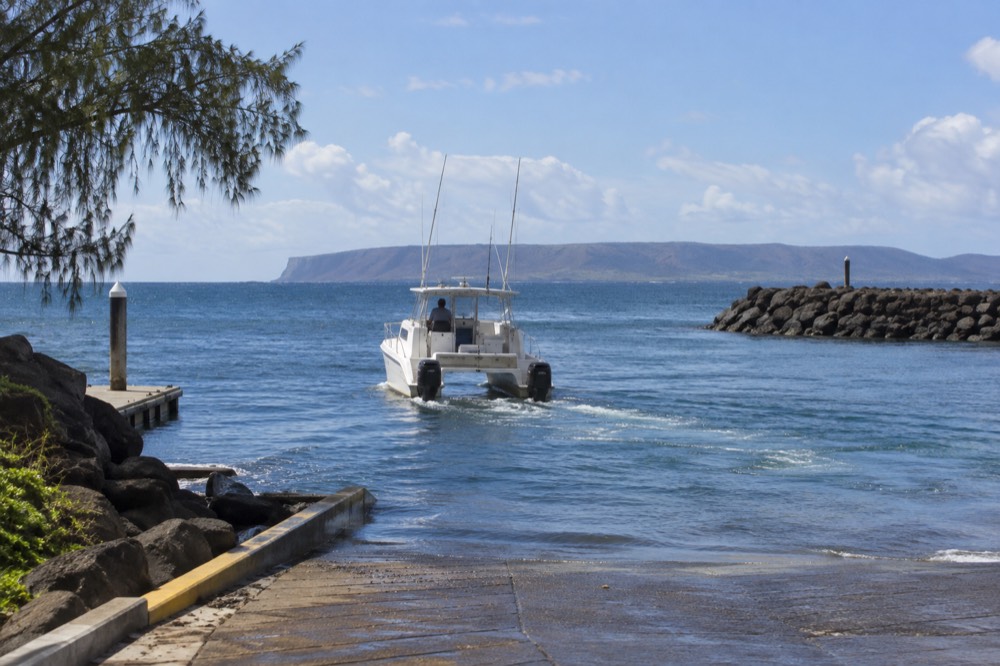
Who should skip both, honestly? Anyone who gets seasick easily and has not planned for it, because the channel is open ocean for a sustained stretch, and anyone whose group includes young children or travellers with back or neck problems, since operator health policies on these long trips are strict. For those visitors the Napali Coast products, reachable in calmer inshore water, are the better day out, and the best Napali Coast boat tour guide walks that choice in detail.
For everyone else, the decision framework is simple. If the Forbidden Isle itself is the point, the thing you will tell people about for years, book one of the two Niihau trips and book it early in your stay. If what you actually want is great snorkelling and dramatic coast, and Niihau is a nice idea rather than a mission, a Napali snorkel tour delivers most of the same water for less money and less time on the open sea. The site's own Napali Coast Boat Tours roster covers every one of those alternatives with verified prices and ratings.
Common Questions About Visiting Niihau
Can Tourists Visit Niihau?
Not on land through any regular channel. Niihau has been privately owned for over a century and a half and has no public visitor access. The realistic way tourists experience it is offshore, on a licensed boat tour from Kauai that crosses the Kaulakahi Channel and snorkels near Lehua Crater.
Who Owns Niihau?
The descendants of Elizabeth Sinclair, who bought the island from King Kamehameha V in the nineteenth century. The Robinson family has owned and managed it continuously since, and the 2020 Census recorded 84 residents living in the private community.
Can You Land On Niihau Or Lehua?
No commercial tour lands passengers on Niihau. Lehua is a state-designated seabird sanctuary where landing is restricted to areas below the high water mark under state rules, and in practice tour boats keep everyone aboard or in the water offshore.
How Far Is Niihau From Kauai?
The Kaulakahi Channel measures 17.2 statute miles, about 27.7 kilometres, along the line from Mana Point on Kauai to Kaunuopou on Niihau, with a maximum depth of 3,570 feet along that line.
What Do Niihau Boat Tours Cost?
On this roster, from $339 per person for the 7-hour full-day tour and from $361.31 per person for the 8-hour snorkel expedition, both from Port Allen with breakfast and lunch included and free cancellation.
When Is The Best Time To Do A Niihau Trip?
Roughly April through October, when the channel is calmest and the Lehua snorkel stop is most reliably delivered. Trips can run outside that window, conditions permitting, but winter swell makes the crossing and the snorkel less predictable.