What To Be Careful Of In Kauai?
An honest safety brief for Kauai visitors: ocean hazards, flash floods, sun, the one road, rental car theft, wildlife rules, and how each one shapes a Napali Coast boat day.
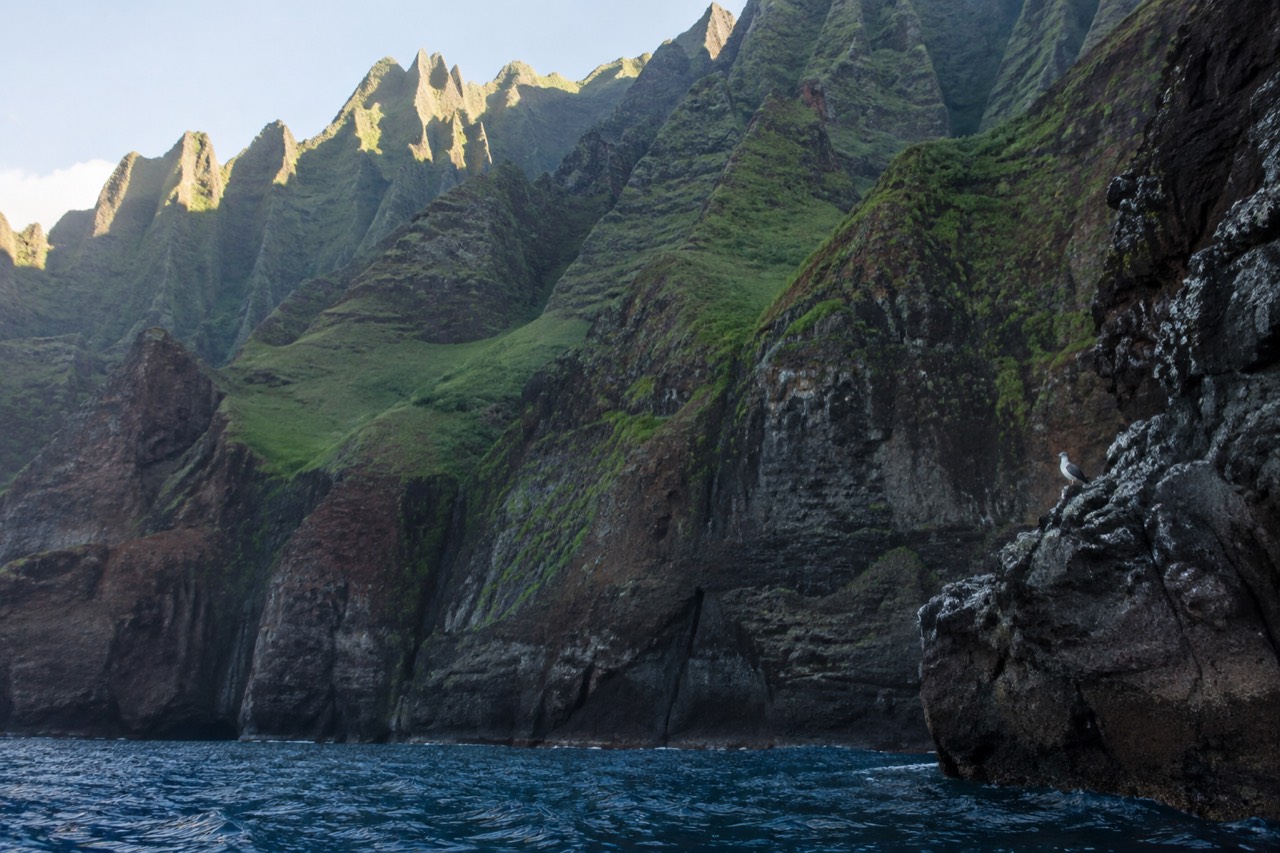
What To Be Careful Of In Kauai?
Kauai earns its reputation as a gentle island, and most visits end without incident. The hazards that do catch people are consistent and predictable: ocean conditions that change faster than the weather on land, narrow valley streams that can rise without warning, tropical sun that finds every pale shoulder, and a coastal highway where the scenery competes for the driver's attention. Hawaii Department of Health data for 2019 to 2023 show that 91 percent of snorkeling drowning victims were visitors, and ocean drownings accounted for 83 percent of all drownings in the state. That single pair of numbers frames everything on this page. The visitors who get hurt here are almost always the ones who treated the ocean like a swimming pool.
This page walks through each real hazard in turn, then connects them back to the one decision many readers are here to make: whether to book a boat tour, and which kind.
What Should You Be Careful Of On Kauai?
The five things that deserve genuine caution on Kauai are the ocean, flash floods in the mountains, sun and heat, the single coastal highway, and theft from parked rental cars. Everything else, including sharks and crime against people, ranks far below these. Wildlife rules matter too, less because animals are dangerous than because approaching them the wrong way is illegal under state and federal law. None of these hazards should talk anyone out of visiting. They should talk everyone into reading the conditions on the day rather than trusting a calendar.
The pattern behind most Kauai incidents is a mismatch between expectation and reality. A visitor from a mainland beach town assumes a four foot wave is a four foot wave everywhere. On Kauai's north and west shores, a four foot face on a rising swell means the water is loaded with energy that arrived from a storm two thousand miles away, and it will keep arriving for hours after the sky overhead is blue. The same visitor assumes a sunny morning in Poipu says something about the sea state off Napali. It does not. The two are different bodies of water, and the island's own geography, a mountain mass in the middle and valleys that funnel rain, makes conditions hyper-local.
The honest good news is that the main hazards are all legible in advance. The National Weather Service in Honolulu publishes shore-by-shore surf forecasts for Kauai every day, split into north, west, south and east facing shores, and issues advisories at fixed wave height thresholds. Flash flood watches and warnings are broadcast like anywhere else. The county posts signage at trailheads and stream crossings. The system works when people actually check it, and the visitors who run into trouble are usually the ones who checked the beach weather but not the ocean forecast.
For readers planning time on the water, most of this page funnels toward one conclusion: the safest way to see Kauai's wildest coastline is on a boat with a licensed captain who reads these conditions for a living. If that is already where you are headed, the three options below are a solid shortlist.
What Makes The Ocean Dangerous Here?
Kauai's ocean is dangerous mainly through three mechanisms: shorebreak and powerful surf on north and west facing shores, strong currents including runoff channels near river mouths, and winter swells that arrive from distant storms. The National Weather Service issues a High Surf Advisory for Kauai's north facing shores at 15 feet and a Warning at 25 feet; west facing shores trigger at 12 and 20 feet. Those thresholds are not abstractions. They are the numbers forecasters use to tell everyone, locals and operators included, when the water has stopped being playful.
The seasonal rhythm matters more than most first-time visitors expect. North Pacific winter swells dominate from November through March, hammering north and west shores, while southern swells run strongest from May through October. The same stretch of sand that is bathtub-calm in July can be unswimmable in January, and a beach that was gentle yesterday can change character overnight as a new swell train arrives. Two years of measured data from the buoy off Hanalei tell the story plainly: from June through September, significant wave height essentially never reached 2.5 meters, while in December and January it sat at or above that mark roughly half the time.
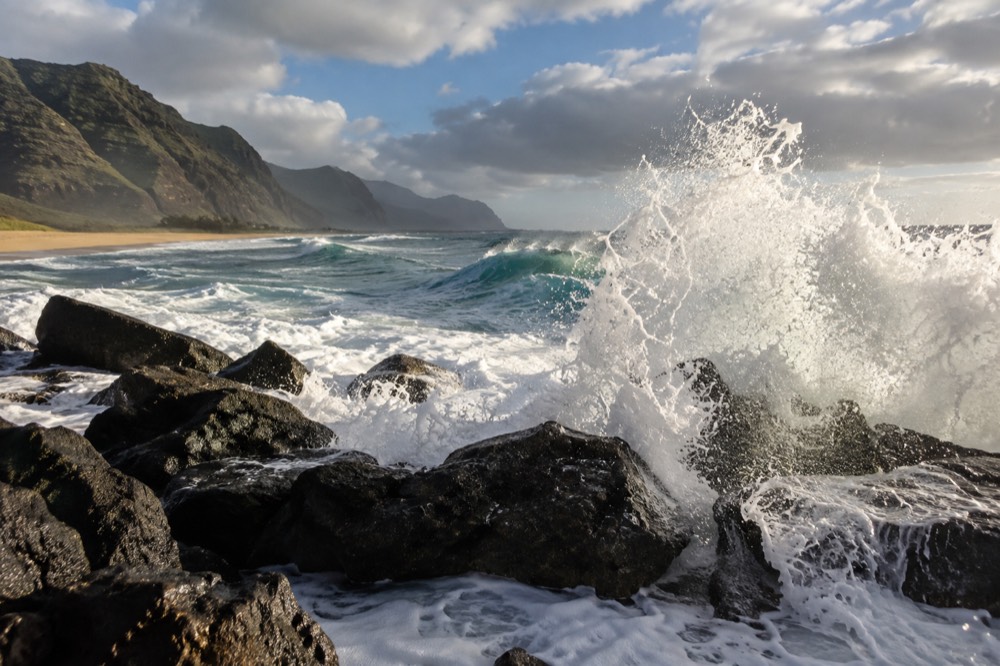
The advisory and warning thresholds are worth having in one place, since they are the same numbers that govern a boat captain's go or no-go decision on any given morning.
| Kauai Shore Orientation | High Surf Advisory | High Surf Warning |
|---|---|---|
| North facing | 15 feet | 25 feet |
| West facing | 12 feet | 20 feet |
| South facing | 10 feet | 15 feet |
Currents deserve their own caution. River mouths on Kauai, especially after rain, can create channels of fast-moving water even when the surface looks flat, and the state's snorkeling and diving rules reflect how seriously this is taken: anyone snorkeling in Hawaii's navigable waters must display a diver's flag at least 12 by 12 inches, snorkelers must stay within 100 feet of the flag, and vessels must keep 100 feet away. On a guided tour the crew handles this. From the beach, the visitor who does not know the rule is also the visitor most likely to be in the wrong place when a boat passes.
The practical advice is simple and unglamorous. Check the National Weather Service High Surf Advisory criteria and current coastal forecasts before any beach day, swim where lifeguards are posted, and never turn your back on the water on a shorebreak beach. The full Hawaii Water Safety Plan is worth twenty minutes of anyone's reading time before a first Kauai ocean day.
What Are Flash Floods?
A flash flood is a rapid, often wall-like rise in a stream or gulch after heavy rain upstream, and Kauai's steep valleys make it a signature island hazard. A stream can be ankle-deep and clear at your feet while a flood wave from a rain cell miles away, out of sight over the mountain, is already on its way down. This is why the standard advice is absolute: never cross a flooded stream crossing, and never wait out rising water in a narrow valley. If the water is moving over the road or the crossing, the crossing is closed, whether or not anyone has put a sign out.
The mechanism is geography. Kauai's interior is one of the wettest places on earth, and the Napali valleys and the Hanalei side are drained by streams that fall thousands of feet over short distances. Rain that falls high in a valley takes a while to reach the coast, so the flood arrives after the rain has stopped where you are standing. Hikers have been swept away on days that felt dry at the trailhead. The hazard is not confined to the famous valleys either; any stream crossing on any Kauai trail can rise, and the county's bridges and culverts flood on the regular during wet spells.
Two rules cover almost every flash flood situation. First, if there is any chance of significant rain in the mountains above you, do not enter a narrow gorge, a stream bed, or a flooded crossing, even if the sky where you stand is blue. Second, if you are on the far side of a stream when it starts to rise, stay there. Spend the night on the wrong side rather than crossing. Every year, visitors are rescued after choosing to cross, and every year the rescuers say the same thing: the water will drop, but only after it has finished being dangerous.
For most readers this connects to the ocean page too. Heavy rain in the interior affects boat days less than you would think, since operators report that rain alone rarely cancels a tour, but it does affect the drive to the harbor. The island has essentially one road around it, and sections of the south and west side highway sit close to streams and low spots. Build slack into your drive time on wet days.
What About Sun And Heat?
Kauai sits at 22 degrees north latitude, so the sun is intense year-round, and the equatorial rays hit exposed skin far harder than most visitors expect, especially on the water where reflection doubles exposure. The island's trade winds mask the heat, which is exactly why people overheat: the breeze feels cool while the sun is quietly doing damage. Sunburn, dehydration, and heat exhaustion are, in practice, far more common Kauai injuries than anything involving wildlife.
The numbers make the point. At Kauai's latitude the midday sun in summer passes nearly overhead, and even in January the mean daily maximum at Lihue runs in the high seventies Fahrenheit with strong direct light. A visitor who would never spend four hours in the sun at home does exactly that here, on a boat, on a beach, or on a trail, often starting the day already slightly dehydrated from the flight. Add a mask and snorkel and a wet shirt that never dries, and the sun exposure on a boat tour is a real dose: the deck reflects, the water reflects, and there is no shade on the open coast.
Reef-safe sunscreen is also the law. Hawaii Act 104 prohibits the sale and distribution of sunscreens containing oxybenzone or octinoxate without a prescription, effective January 1, 2021, and no Kauai County ordinance changes that, so the statewide rule applies everywhere on the island. In practice this means mineral sunscreen, zinc oxide or titanium dioxide, is what you will find in local shops, and it is what you should bring. Apply it before boarding, reapply after the swim stop, and do not rely on a single morning application to last a five hour tour.
If a day on the water is the main event of your trip, the sun question is one place where the boat you choose genuinely changes the experience: a sailing catamaran with shade, meals and a slower pace makes a five hour exposure far easier on a fair-skinned family than a fast open raft does.
The rest is ordinary hot-country discipline. Drink more water than feels necessary, wear a hat with a brim that survives wind, and treat any headache, dizziness, or unusual fatigue in the early afternoon as a possible heat signal rather than pushing through it. Guides and crew watch for this, but they cannot see inside anyone's head.
What About Driving The One Road?
Kauai is ringed by a single coastal highway, and it is genuinely hazardous in three specific ways: it is narrow and winding with frequent one-lane bridges on the north side, it carries pedestrians and cyclists near every beach, and its scenery is engineered to steal the driver's attention. There is no road across the interior, so every trip is a coastal trip. The island's traffic pattern is a loop, and the loop is never more than a lane or two wide.
The north shore stretch from Kapaa to Haena is the part that gets discussed. The road hugs the coast, crosses a series of one-lane bridges that run on an informal and then a very formal yield convention, and passes through towns where the speed limit drops and pedestrians cross constantly. The convention at the bridges matters: on the north shore, the tradition is that the line of cars on one side goes through together, then the other side, and visitors who try to alternate one car at a time confuse everyone. Where signage gives a specific rule, follow the signage.
The west side, which is where the boat harbors are, is easier driving but longer-feeling, and it has its own trap: the drive from the resort areas of the east or south side to Port Allen or Kikiaola takes real time, and visitors who budget thirty minutes for it from Kapaa arrive flustered and late for check-in. Our guide to getting to Port Allen and Kikiaola covers the drive times and harbor logistics in detail. The short version: leave more time than the map suggests, and do not plan an arrival that depends on everything going right.
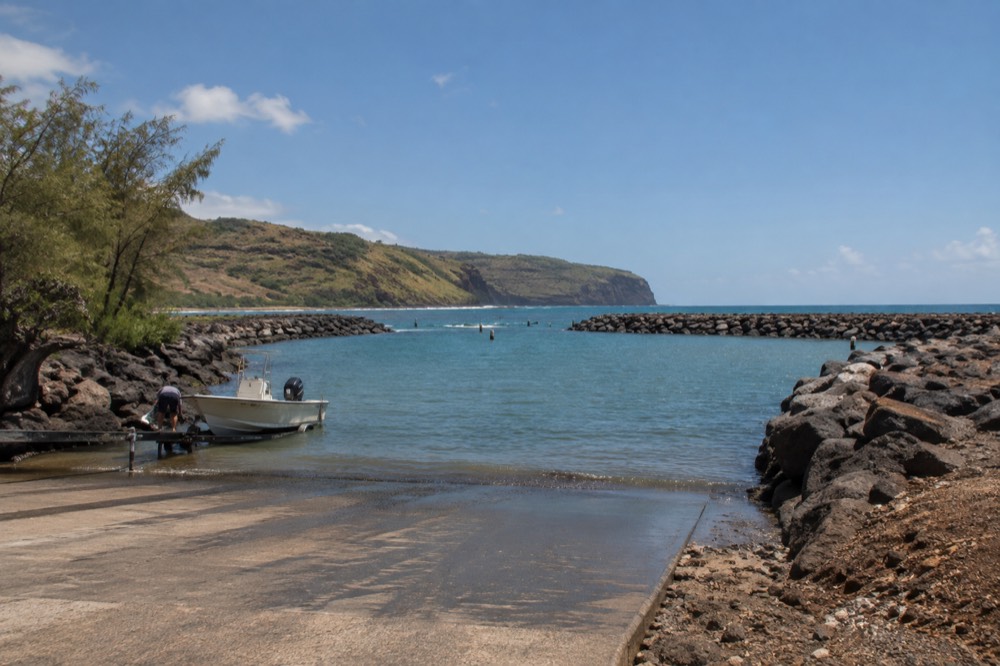
Rain changes the road, not just the driving. Wet pavement on the winding sections, reduced visibility in a passing shower, and the occasional rockfall after heavy rain all argue for slowing down and for never planning a tight connection between an activity and a drive. Rental drivers should also budget for the extras: Hawaii's rental motor vehicle surcharge tax is $7.50 per day on top of the base rate, which surprises people at the counter.
One more driving note that belongs on any Kauai safety page: the pullouts exist for a reason. Nearly every multi-car incident on the scenic stretches involves someone stopping in a travel lane to photograph the view. Use the pullouts, of which there are many, and let the faster locals pass.
What About Theft From Rental Cars?
Theft from parked rental cars is Kauai's most common crime against visitors, and it is almost entirely opportunistic: smash-and-grab on vehicles that visibly contain bags, phones, or rental paperwork. The prevention is boring and effective: leave nothing visible in the car, take valuables with you, and do not leave the rental contract sitting in the glovebox while you hike. Violent crime against visitors is rare on this island; property crime from parked cars is not.
The pattern repeats at trailhead lots, beach parks, and scenic overlooks, which are exactly the places a boat-tour day takes you. The harbor lots themselves are generally fine, since they are active and watched, but the stops before and after are the risk. The standard local advice is to travel with the car already looking emptied: trunk cleared before you park, not after, because the person watching the lot sees you load it. Anything with a strap, a bag, a camera case, or a phone mount, is a target when it is visible through glass.
Insurance and rental coverage will usually replace the window and sometimes the contents, but the day of your activity is what you actually lose. A broken window at the Ke'e trailhead lot means your snorkel gear, your ID, and your afternoon are all gone. Treat the car as a public space, keep documents on your person, and photograph the car before you walk away if you want a record for any claim.
The same logic applies to the beach. Unattended items on the sand are occasionally taken anywhere in Hawaii, and the fix is the same: one person stays with things, or valuables go in a dry bag that comes into the water. On a guided tour this problem mostly disappears, since the boat carries your things and the crew keeps an eye on them.
What About Wildlife Rules?
Kauai's wildlife rules are less about danger to you than about legal protection of the animals, and the numbers are specific: stay at least 50 feet from Hawaiian monk seals, 150 feet from mothers with pups, 10 feet from sea turtles, 100 yards from humpback whales, and 50 yards from spinner dolphins. Under state law and federal rules it is unlawful to molest, kill, capture, or possess a monk seal at any time, and the approach distances are enforceable. A visitor who gets close for a photo is not just being rude, they are breaking the law.
The monk seal matters most on this island because Kauai and its neighbors carry a substantial share of the main Hawaiian Islands seal population, and seals haul out on busy tourist beaches with total indifference to signage. The temptation to approach is real, because a sleeping seal looks like a photo opportunity. It is a resting protected mammal, and the state's marine protected species guidelines set the distances plainly. If a seal approaches you in the water, which happens, you move away; the obligation runs in your direction, not the animal's.
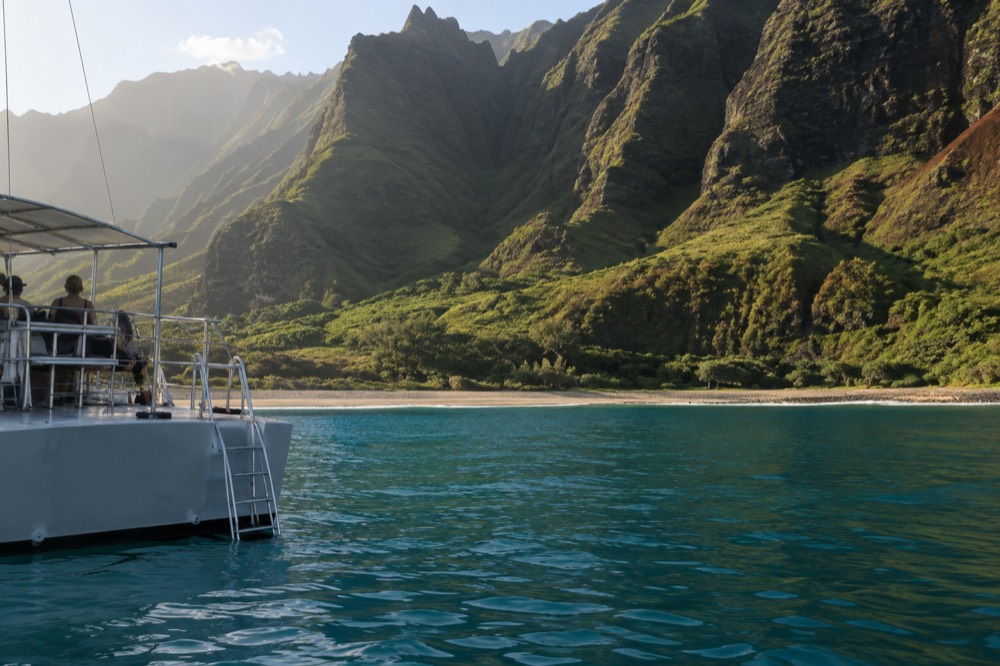
Spinner dolphins have their own federal rule: since October 2021 it has been unlawful to swim with, approach, or remain within 50 yards of them by vessel within two nautical miles of the main Hawaiian Islands. The dolphins rest in shallow bays during the day, and a tour or a swimmer dropping in on a resting pod is exactly what the rule was written to stop. Turtles, meanwhile, have no open season and are protected under both state law and the federal Endangered Species Act; the 10 foot rule applies on land and in water alike.
For snorkelers there is one more layer: in Hawaii's Marine Life Conservation Districts the taking of any living material, fish, shells, coral, or algae, is restricted or prohibited, and fish feeding is banned in some areas and discouraged everywhere, since people food is not part of a natural reef diet. The practical translation for a Kauai snorkel stop is: look, float, and leave everything where it was. On a guided tour the crew briefs all of this; from shore, the obligation is yours.
How Does Any Of This Affect A Boat Day?
A Napali Coast boat day converts almost every hazard on this page into a managed risk: the captain reads the surf forecast, the crew watches the sun and the passengers, the boat carries your valuables, and the wildlife distances are the crew's daily job. What remains on you is the drive to the harbor, honest self-assessment about seasickness and swimming ability, and listening to the briefing. That division of labor is, in practice, why guided tours have such a strong safety record on this coast.
Consider the list again. Ocean danger: the operator's captain checks conditions and cancels or adjusts the route when the swell is wrong, with free cancellation on every tour in our roster, so a bad forecast costs you nothing but the time to rebook. Sun: still your problem, and the reef-safe sunscreen rule still applies, but a boat gives you shade structure, water, and a crew that notices the person going quiet in the corner. Theft: largely solved, since your bag rides with the boat. Wildlife: the crew knows the distances and the law, and the snorkel stop runs under a flag with the boat standing off the legal distance. Driving: the one part that stays yours, and the reason every operator says to book early in your stay, so a weather cancellation leaves room to rebook.
The one hazard a boat day cannot manage for you is seasickness, and it deserves an honest paragraph. The same motion-sickness medicine rules apply anywhere: transdermal scopolamine needs to go on several hours before boarding to be working when the boat leaves the harbor, while oral meclizine takes about two hours to reach effect. If you are prone to motion sickness, a sailing catamaran, which spends part of the trip under sail rather than engine, tends to move more predictably than a fast power boat, and our page on whether you will get seasick on a Napali boat tour covers the medication timing and boat-type trade-offs in full. The Luxury Na Pali Snorkel Experience aboard Lady Kailani, a sailing catamaran with breakfast and lunch included, from $260.91 per person, is the tour we point motion-sensitive readers toward first.
The last connection between this safety page and your booking is seasonal. The winter months bring both the biggest swells and the whales, which is why winter whale products on Kauai deliberately run the protected south and west shores instead of the exposed Napali Coast, and it is why our guide to the best time to visit Kauai matters more than most packing-list decisions. Summer brings calmer water and the highest odds of the sea caves and snorkel stops actually happening. Neither season is dangerous if you book with an operator who cancels honestly, and every tour on this site carries free cancellation for exactly that reason. That is the whole philosophy of Napali Coast Boat Tours: the ocean sets the schedule, and the right tour is the one that respects it.
If the safety picture has settled your planning, these three are the tours we would weigh first.
Common Questions About Kauai Safety
What To Be Careful Of In Kauai?
The five genuine hazards are the ocean, flash floods, sun and heat, the single coastal highway, and theft from parked rental cars. Wildlife approach distances are also legally enforced. None of these should deter a visit; all of them reward checking the day's conditions rather than trusting a calendar.
What Makes The Ocean Dangerous Here?
Shorebreak, strong currents, and long-period winter swells on north and west facing shores. The National Weather Service issues a High Surf Advisory for Kauai's north facing shores at 15 feet and a Warning at 25 feet, with lower thresholds on west and south shores. Swim at lifeguarded beaches and check the surf forecast daily.
What Are Flash Floods?
Rapid rises in streams after rain upstream, which Kauai's steep valleys make a signature hazard. A clear stream at your feet can rise from a storm you cannot see. Never cross a flooded stream crossing, and if water starts rising while you are on the far side, stay there until it drops.
What About Sun And Heat?
The equatorial sun is intense year-round and the trade winds mask it, so people overheat and burn without noticing. Hawaii law also restricts oxybenzone and octinoxate sunscreens, so bring mineral sunscreen, apply it before boarding or hiking, and reapply after any swim.
What About Theft From Rental Cars?
It is the most common crime against visitors and it is opportunistic. Leave nothing visible in the car, load the trunk before parking rather than after, and carry your documents with you. Harbor lots are generally low-risk; trailhead and beach lots are where break-ins happen.
How Does Any Of This Affect A Boat Day?
A guided tour transfers most hazards to the operator: the captain reads the swell, the crew manages sun, wildlife distances and your belongings, and free cancellation means a bad forecast costs nothing but a rebooking. What stays yours is the drive to the harbor and honest preparation for seasickness.